

When Should You Hire a Charlottesville Business Broker?
Selling a business is a significant decision that often requires months of preparation, careful financial planning, and coordination with potential buyers. One of the questions owners frequently consider is when to bring a professional into the process. Hiring a broker too late can leave less time for preparation, while bringing one in early can provide guidance before the business reaches the market. Business Brokers in Charlottesville VA can assist owners with valuation, preparation, marketing, buyer screening, negotiations, and transaction coordination.
When You Are Thinking About Selling
You do not necessarily need to wait until your business is officially listed for sale before speaking with a broker. An initial conversation can help you understand what preparation may be necessary and what information buyers are likely to review.
Early planning can provide time to organize financial records, improve operations, document procedures, and address potential concerns before the business is marketed.
When You Need to Understand Business Value
Determining an appropriate asking price is an important part of selling a company. Owners may have a personal estimate of what their business is worth, but buyers generally evaluate financial performance, cash flow, assets, industry conditions, growth opportunities, and other factors.
Charlottesville Business Brokers may help owners assess these factors and develop a clearer understanding of the potential market positioning of their business.
When You Want to Maintain Confidentiality
Confidentiality can be particularly important when selling a privately owned company. Employees, customers, competitors, and suppliers may react differently if they learn about a potential sale before the transaction is ready to be disclosed.
A broker can help establish a structured process for communicating with prospective buyers and sharing sensitive information. Confidentiality agreements may also be used before detailed business information is provided.
When You Do Not Have Time to Manage the Sale
Running a business requires daily attention. Managing buyer inquiries, preparing information, scheduling meetings, negotiating terms, and coordinating due diligence can add considerable responsibilities to an owner’s workload.
A Charlottesville Business Broker can handle or coordinate many of these activities, allowing the owner to remain focused on operating the company during the sales process.
When You Need Help Finding Buyers
Finding a buyer is often one of the most challenging aspects of selling a business. Posting an opportunity publicly does not guarantee that qualified prospects will appear.
A broker may help develop marketing materials, communicate with potential buyers, screen inquiries, and coordinate the early stages of the buyer process.
When You Receive an Offer
Some owners consider hiring a broker only after receiving an unsolicited offer. Professional guidance can still be useful at this stage, particularly when evaluating the purchase price, payment structure, contingencies, transition requirements, and other proposed terms.
Legal and financial advisors should also review documents and transaction terms before an owner enters into binding agreements.
When You Are Planning Your Exit in Advance
Business owners who expect to sell several years from now can benefit from starting the planning process early. Building stronger financial records, reducing operational dependencies, improving systems, and preparing management can potentially make a future transaction easier to evaluate.
The earlier an owner understands the potential requirements of an exit, the more time there may be to prepare.
How to Choose the Right Time
There is no universal date for hiring a broker. Your business’s financial condition, personal objectives, desired timeline, transaction complexity, and readiness should all be considered. Interview potential Business Brokers in Charlottesville VA and ask about their experience, services, fees, valuation approach, marketing process, and confidentiality procedures.
Filament Business Advisors provides business brokerage, valuation, exit planning, and acquisition advisory services. If you are considering selling your Charlottesville business, contact Filament Business Advisors to discuss your goals and preparation options.
Read More
How Long Does It Take to Sell a Business in Charlottesville?
Selling a business is rarely an overnight process. The timeline can vary depending on the company’s size, financial condition, industry, asking price, buyer demand, financing, and complexity of the transaction. For Charlottesville business owners, understanding the typical stages involved can make it easier to plan an exit. Working with Business Brokers in Charlottesville VA may also help owners organize the sale process and coordinate with prospective buyers and professional advisors.
What Determines the Timeline of a Business Sale?
Every business sale is different. A company with organized financial records, stable operations, and a realistic asking price may move through the process differently from a business requiring significant preparation.
Other factors include the availability of qualified buyers, financing requirements, due diligence, negotiations, and whether third-party approvals are needed. Because these variables can change, sellers should avoid assuming that every transaction will follow the same schedule.
Stage 1: Preparing the Business for Sale
Preparation can begin well before the business is officially marketed. Owners may need to organize financial statements, tax returns, contracts, employee information, leases, licenses, and other records.
This stage can also involve reviewing operations and addressing issues that could create concerns during buyer due diligence. Better preparation can make the business easier for potential buyers to evaluate.
Stage 2: Valuing and Marketing the Business
Once the business is prepared, an appropriate valuation and asking-price strategy can be developed. Factors such as profitability, cash flow, assets, industry conditions, and comparable transactions may influence the analysis.
Charlottesville Business Brokers may assist with valuation, marketing materials, confidential outreach, and managing initial buyer inquiries. The amount of time required to attract suitable buyers can vary significantly depending on the business and market.
Stage 3: Finding and Screening Buyers
Finding an interested buyer does not necessarily mean a sale is close to completion. Potential buyers may need to demonstrate financial capacity, relevant experience, financing arrangements, and serious interest in the opportunity.
A Charlottesville Business Broker may help coordinate confidentiality agreements, initial information requests, buyer communications, and preliminary discussions during this stage.
Stage 4: Negotiating an Offer
Once a qualified buyer is interested, the parties may negotiate purchase price and other terms. These can include financing, payment structure, assets included in the transaction, transition assistance, contingencies, and closing conditions.
Negotiations can be relatively straightforward or require multiple rounds of discussion. The complexity of the transaction often affects how quickly the parties can reach an agreement.
Stage 5: Due Diligence and Closing
After an agreement is reached, the buyer generally conducts due diligence. Financial records, contracts, legal documents, operations, assets, and other information may be reviewed.
Financing and legal documentation can also affect the closing schedule. Attorneys, accountants, lenders, and other advisors may be involved in completing the transaction.
How Can Sellers Help Reduce Delays?
Owners can improve transaction readiness by maintaining accurate financial records, organizing important documents, responding promptly to reasonable information requests, and addressing known issues before listing the business.
Clear communication with advisors and prospective buyers can also help keep the process organized.
Get Guidance on Your Charlottesville Business Sale
There is no guaranteed timeline for selling a business. Business Brokers in Charlottesville VA can help owners understand the major stages of a transaction and coordinate various aspects of the process.
Filament Business Advisors provides business brokerage, business valuation, exit planning, and acquisition advisory services. If you are considering selling your business in Charlottesville, contact Filament Business Advisors to discuss your goals and prepare for the next steps.
Read More
What Documents Are Required to Sell a Business in Charlottesville?
Selling a business requires more than finding a willing buyer. Sellers typically need to provide financial, legal, operational, and ownership information so prospective buyers can evaluate the company and complete due diligence. Preparing these records early can make the transaction process more organized and help reduce avoidable delays. Business Brokers in Charlottesville VA can also help sellers understand what information may be needed during different stages of a business sale.
Financial Documents
Financial records are among the first documents prospective buyers may request. They help demonstrate the company’s financial performance and provide a basis for evaluating its potential value.
Common financial documents include:
- Profit and loss statements
- Balance sheets
- Business tax returns
- Cash flow statements
- Accounts receivable and payable reports
- Bank statements
- Debt and loan information
- Records of major capital expenditures
Keeping several years of organized financial records can make it easier for buyers and their advisors to review historical performance.
Business and Ownership Documents
Buyers generally need to understand who owns the company and how the business is legally structured. Sellers may need to provide formation documents, operating agreements, shareholder agreements, partnership agreements, and ownership records.
If the business has multiple owners, documentation should clearly establish ownership percentages and any restrictions related to transferring ownership.
Charlottesville Business Brokers may help organize information for prospective buyers, although legal documents should be reviewed by an appropriate attorney.
Contracts and Agreements
Existing contracts can significantly affect a business’s operations and future obligations. Depending on the company, buyers may request copies of customer contracts, supplier agreements, leases, franchise agreements, employment agreements, vendor contracts, and other significant commitments.
Sellers should identify contracts that may require consent or approval before ownership can be transferred.
Licenses, Permits, and Compliance Records
Businesses may operate under federal, state, or local licenses and permits. Sellers should gather relevant licenses, registrations, certifications, and regulatory records.
The exact requirements depend on the industry and business structure. Certain businesses may have additional compliance documentation related to professional licensing, health regulations, environmental requirements, or other industry-specific rules.
Employee and Operational Records
Operational information helps buyers understand how the business functions on a day-to-day basis. Relevant records may include employee lists, organizational charts, payroll information, benefit arrangements, job descriptions, and information about key personnel.
Owners may also prepare standard operating procedures, supplier details, technology information, equipment lists, and other documents that explain how the company operates.
Customer and Intellectual Property Information
Customer information can help demonstrate the strength and stability of a business. Depending on confidentiality requirements, sellers may provide customer concentration data, recurring revenue information, sales reports, and other relevant metrics.
Intellectual property documentation may include trademarks, copyrights, patents, domain registrations, proprietary processes, and software ownership records.
Preparing for Due Diligence
After receiving an offer, a buyer typically conducts due diligence to verify the information provided by the seller. Additional documents may be requested based on the business and transaction structure.
A Charlottesville Business Broker can help coordinate information requests and communication between the seller and prospective buyer. Sellers should work with attorneys and accountants when reviewing legal, tax, and financial matters.
Organize Your Documents Before Listing
Preparing documentation before marketing a business can make the selling process more efficient. Create a secure, organized collection of financial, legal, operational, employee, contract, and ownership records.
Business Brokers in Charlottesville VA can help sellers prepare for the information-sharing process and maintain appropriate confidentiality when communicating with prospective buyers.
Filament Business Advisors provides business brokerage, valuation, exit planning, and acquisition advisory services. Contact Filament Business Advisors to discuss how to prepare your Charlottesville business for a potential sale.
Read More
Should You Use a Business Broker to Sell Your Business in Charlottesville?
Selling a business involves financial, legal, operational, and personal considerations. Owners must determine an appropriate asking price, prepare financial records, identify potential buyers, maintain confidentiality, and negotiate transaction terms. For some owners, handling these responsibilities independently may be possible, while others may prefer professional assistance. Understanding what Business Brokers in Charlottesville VA do can help you determine whether brokerage support fits your situation.
What Does a Business Broker Do?
A business broker typically serves as an intermediary between a business owner and prospective buyers. Depending on the engagement, services can include valuation assistance, preparing marketing materials, confidential buyer outreach, screening prospects, coordinating communications, and supporting negotiations.
A broker may also help coordinate the transaction with attorneys, accountants, lenders, and other professionals. The exact services and responsibilities depend on the broker and the terms of the engagement agreement.
Why Consider Professional Brokerage Assistance?
Selling a company can require substantial time and attention. Owners who are focused on daily operations may find it challenging to manage buyer inquiries, information requests, negotiations, and due diligence simultaneously.
Charlottesville Business Brokers can provide structured support throughout the process. They may also help establish a confidential process for communicating with potential buyers and distributing sensitive business information.
Professional assistance does not eliminate the seller’s responsibilities. Owners should remain involved in important financial, legal, and strategic decisions and obtain independent professional advice when appropriate.
How Can a Broker Help With Business Valuation?
Determining an asking price is an important part of preparing a business for sale. A valuation may consider revenue, profitability, cash flow, assets, liabilities, industry conditions, customer concentration, and other factors.
A Charlottesville Business Broker may help analyze these factors and provide information about how businesses are typically presented to potential buyers. Owners should understand the methodology used and distinguish an estimated value from the final price negotiated with a buyer.
What About Finding Qualified Buyers?
Finding an interested party is only one part of a successful transaction. Sellers also need to determine whether potential buyers have the financial resources and ability to complete the purchase.
A broker can help manage initial buyer inquiries, confidentiality agreements, and information requests. This can allow owners to spend more time running their businesses while the sale process progresses.
How Does a Broker Support Negotiations?
Offers can involve more than purchase price. Payment terms, financing, assets included in the transaction, transition arrangements, contingencies, and closing conditions may all require discussion.
Charlottesville Business Brokers can facilitate communication between the parties and help organize negotiations. Sellers should work with qualified legal and financial advisors before agreeing to binding transaction terms.
When Might Selling Without a Broker Make Sense?
Some owners may have the time, experience, professional network, and resources to manage a business sale independently. A direct sale may allow an owner to communicate personally with prospective buyers and control the process.
However, the owner remains responsible for marketing, buyer qualification, negotiations, confidentiality, and transaction coordination. Comparing these responsibilities with the services and fees offered by a broker can help determine which approach fits your circumstances.
How to Decide if a Broker Is Right for You
Consider your goals, available time, transaction experience, business complexity, and need for buyer outreach. Interview potential brokers and ask about their experience, valuation process, marketing strategy, fees, confidentiality procedures, and communication practices.
A Charlottesville Business Broker should clearly explain the services provided and the expectations of both parties before an engagement begins.
Get Guidance on Selling Your Charlottesville Business
There is no universal approach to selling a business. The right process depends on your objectives, resources, timeline, and circumstances. Business Brokers in Charlottesville VA can provide assistance with valuation, marketing, buyer screening, negotiations, and transaction coordination.
Filament Business Advisors offers business brokerage, valuation, exit planning, and acquisition advisory services. Contact Filament Business Advisors to discuss your business sale objectives and explore the available options.
Read More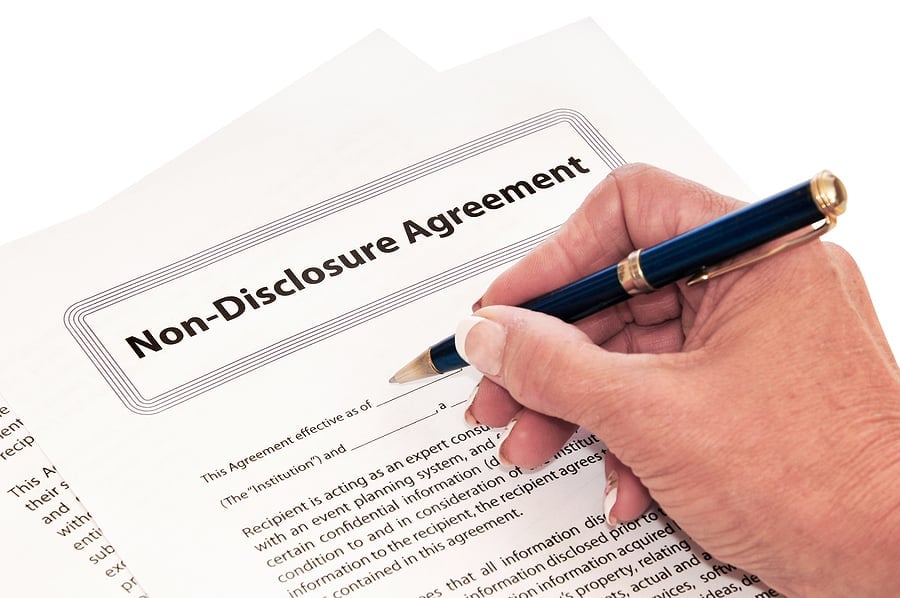
How Much Is My Business Worth in Charlottesville, VA?
Determining the value of a business is an important step for owners considering a sale, succession plan, financing, or future exit. However, there is no single formula that applies to every company. Revenue, profitability, assets, market conditions, industry, and future growth prospects can all influence value. Working with Business Brokers in Charlottesville VA can help owners understand the factors that may affect the potential market value of their company.
What Determines a Business’s Value?
Business valuation typically considers several financial and operational factors. Buyers often examine revenue trends, profitability, cash flow, assets, liabilities, customer relationships, and the stability of business operations.
A company with consistent earnings and well-organized financial records may be easier for prospective buyers to evaluate. Businesses with strong recurring revenue, diversified customers, documented processes, and growth opportunities may also receive different valuation considerations than companies that depend heavily on one customer or owner.
Why Financial Performance Matters
Financial performance is one of the most important components of a business valuation. Buyers generally want to understand how much sustainable income the business can generate after the transaction.
Several years of financial statements and tax returns can help demonstrate performance trends. Owners should ensure that their records are accurate and that unusual or one-time expenses are properly documented.
Charlottesville Business Brokers may review financial information as part of the valuation process and help owners understand which financial metrics prospective buyers are likely to examine.
How Industry and Market Conditions Affect Value
A business does not operate in isolation. Industry trends, competition, demand, economic conditions, and the availability of comparable businesses can influence how buyers assess an opportunity.
Local considerations can also matter. A company’s location, customer base, reputation, and position within its market may affect buyer interest. However, location alone does not determine business value.
Common Business Valuation Approaches
There are several approaches that may be used when estimating business value. An income-based approach considers the company’s ability to generate future earnings or cash flow. A market-based approach compares the company with relevant transactions or businesses when appropriate data is available.
An asset-based approach focuses on the value of business assets and liabilities. The appropriate method depends on the company’s industry, financial characteristics, and the purpose of the valuation.
What Buyers Look for Before Making an Offer
Prospective buyers generally want reliable information before deciding what they are willing to pay. They may review financial statements, tax records, contracts, leases, employee information, customer concentration, equipment, intellectual property, and operational processes.
A Charlottesville Business Broker can help organize relevant information and facilitate communication between sellers and qualified buyers. Proper preparation can make the business easier to evaluate and may reduce unnecessary delays during due diligence.
When Should You Get a Business Valuation?
Owners do not have to wait until they are ready to sell. A valuation can be useful several years before an anticipated exit because it can reveal areas that may need improvement.
Understanding the company’s current position can help owners identify opportunities to improve profitability, strengthen operations, diversify customers, or reduce risks before entering the market.
Get Professional Guidance on Business Value
Estimating the value of a privately owned company requires more than multiplying revenue by a standard number. Business Brokers in Charlottesville VA can help business owners review relevant financial and market factors and prepare for a potential transaction.
Filament Business Advisors provides business valuation, brokerage, exit planning, and acquisition advisory services. If you want to understand what your Charlottesville business may be worth, contact Filament Business Advisors to discuss your objectives and valuation needs.
Read More
How to Sell a Business in Charlottesville, VA
Selling a business is a major financial and professional decision. Business owners need to prepare their company, understand its value, identify qualified buyers, and negotiate appropriate terms. Working with Business Brokers in Charlottesville VA can help owners organize these steps and navigate the transaction process more efficiently.
Understand Your Reasons for Selling
Before putting a business on the market, clarify why you want to sell. Retirement, relocation, a new venture, changing personal priorities, or an opportunity to pursue another investment can all influence the timing and structure of a sale.
Understanding your objectives can also help determine the type of buyer and transaction that may be appropriate for your circumstances.
Prepare Your Business for Sale
Preparation is one of the most important stages of selling a company. Start by organizing financial statements, tax records, contracts, employee information, leases, licenses, and other important documents.
Review your business operations and identify areas that may concern prospective buyers. Improving documentation, reducing unnecessary expenses, and addressing outstanding operational issues can make the business easier to evaluate.
Determine Your Business Value
A realistic valuation provides an important starting point for the sale process. Factors such as revenue, profitability, cash flow, assets, industry conditions, customer concentration, and growth opportunities can influence a company’s value.
Charlottesville Business Brokers may assist with valuation analysis and help owners understand how buyers could evaluate the business. A valuation should be based on financial evidence and appropriate market considerations rather than an owner’s preferred asking price.
Market the Business Confidentially
Maintaining confidentiality is essential when selling a privately held company. Employees, customers, competitors, and suppliers may react differently if they learn that a business is for sale prematurely.
Professional marketing can help present the business to potential buyers without unnecessarily revealing sensitive information. Confidentiality agreements can also establish expectations before detailed information is shared.
Find and Screen Potential Buyers
Not every interested party is a qualified buyer. Sellers generally need to consider financial capacity, relevant experience, financing arrangements, and the buyer’s ability to complete the transaction.
Charlottesville Business Brokers can help identify and communicate with prospective buyers while coordinating information requests and maintaining confidentiality throughout the process.
Negotiate the Sale and Complete Due Diligence
Once a suitable buyer submits an offer, negotiations may cover purchase price, payment structure, financing, transition assistance, assets included in the sale, and other terms.
A Charlottesville Business Broker can help facilitate communication between the parties during negotiations. Buyers will typically conduct due diligence by reviewing financial, legal, operational, and other business information before completing the transaction.
Complete the Closing Process
After negotiations and due diligence are substantially complete, the parties work with their attorneys, accountants, lenders, and other advisors to finalize the transaction documents and closing requirements.
Experienced Business Brokers in Charlottesville VA can help coordinate the process and keep the transaction moving between the different professionals involved.
Get Guidance for Your Business Sale
Selling a business requires preparation, accurate information, confidentiality, and careful negotiation. Filament Business Advisors provides business brokerage and advisory services for owners considering a sale, valuation, exit plan, or acquisition.
If you are considering selling your Charlottesville business, contact Filament Business Advisors to discuss your objectives and the next steps in the process.
Read More
How to Choose Business Brokers in Charlottesville VA
Choosing the right business broker can make a significant difference when you are preparing to sell a company or searching for a business to acquire. A qualified broker can help you understand valuation, identify opportunities, manage negotiations, and navigate the transaction process. If you are considering working with Business Brokers in Charlottesville VA, it is important to evaluate their experience, services, and understanding of your business goals.
This guide explains how to select a suitable business broker in Charlottesville, Virginia.
Evaluate Experience and Industry Knowledge
One of the first factors to consider when choosing a business broker is relevant experience. Every business has unique financial characteristics, customer relationships, operational challenges, and growth opportunities.
Look for a broker who understands your industry and has experience handling transactions similar to your business. Ask about their previous work with companies of comparable size, the types of buyers they typically serve, and their approach to preparing a business for sale.
Experienced Charlottesville Business Brokers may provide valuable guidance on local market considerations and transaction preparation. However, their expertise should be assessed based on relevant experience rather than general claims.
Understand the Services They Offer
Business brokerage involves more than connecting buyers and sellers. Before choosing a broker, clarify which services are included in their engagement.
Common services may include:
- Business valuation and financial analysis
- Confidential business marketing
- Buyer qualification and screening
- Negotiation and offer management
- Due diligence coordination
- Assistance with closing procedures
A broker who explains each stage clearly can help you understand your responsibilities and make better-informed decisions throughout the process.
Review Valuation and Marketing Strategies
An accurate understanding of business value is an important part of selling a company. Ask potential brokers how they evaluate financial performance, industry conditions, assets, and comparable transactions.
You should also discuss how they plan to market your business. A strong marketing strategy should protect confidential information while reaching relevant prospective buyers.
Ask whether the broker prepares marketing materials, manages buyer inquiries, and establishes confidentiality procedures before sharing sensitive business details.
Compare Fees and Communication
Broker fees and engagement terms can vary depending on the transaction, business size, and services provided. Request a written explanation of commissions, retainers, additional expenses, and payment conditions before signing an agreement.
Communication is equally important. A Charlottesville Business Broker should explain the expected process, provide updates, and respond to questions in a timely manner.
Discuss how frequently you will receive updates and who will be your primary point of contact. Clear communication can help reduce confusion during a complex transaction.
Ask the Right Questions Before Hiring
Before selecting a broker, prepare questions that help you evaluate their qualifications and approach. Ask about their experience with similar businesses, valuation methods, buyer outreach, confidentiality, and estimated transaction stages.
You should also understand whether they primarily represent sellers, buyers, or both, and how potential conflicts of interest are handled.
Comparing several professionals can help you identify differences in services, experience, and engagement terms.
Work With Business Brokers in Charlottesville VA
Finding the right broker requires careful research and a clear understanding of your business objectives. Charlottesville Business Brokers can offer services related to valuation, marketing, negotiations, and transaction coordination, but their suitability depends on your specific needs.
Filament Business Advisors provides business brokerage and advisory services for business owners and prospective buyers. If you are planning to sell a business, exploring acquisition opportunities, or preparing for an exit, contact Filament Business Advisors to discuss your goals and available guidance.
Read More
What Do Business Brokers in Charlottesville VA Do?
Buying or selling a business is a significant financial decision that requires careful planning, market knowledge, and professional guidance. Business Brokers in Charlottesville VA help business owners and prospective buyers navigate the complexities of business transactions, from valuation and marketing to negotiations and closing. Whether you are planning to sell your company or looking for an acquisition opportunity, understanding what a business broker does can help you make informed decisions.
What Are Business Brokers in Charlottesville VA?
Business brokers are professionals who assist entrepreneurs with buying and selling privately owned businesses. They act as intermediaries between buyers and sellers, helping coordinate the transaction while protecting confidentiality and supporting the negotiation process.
For business owners in Charlottesville, local market knowledge can be valuable when determining how to position a business for sale. Charlottesville Business Brokers may help evaluate financial records, identify potential buyers, and develop a strategy that aligns with the owner’s goals.
Their services can include business valuation, marketing, buyer screening, negotiation support, and transaction coordination.
How Can a Charlottesville Business Broker Help Sellers?
Selling a business involves more than finding someone willing to purchase it. A Charlottesville Business Broker can help owners prepare their businesses for the market and organize the steps required for a successful transaction.
Common services include:
- Business valuation: Assessing financial performance, assets, industry conditions, and other factors to estimate business value.
- Confidential marketing: Promoting the business to qualified prospects while limiting the disclosure of sensitive information.
- Buyer qualification: Reviewing buyer interest and financial readiness to help identify suitable prospects.
- Negotiation support: Assisting with discussions about price, terms, and transaction structure.
- Closing coordination: Working with attorneys, accountants, lenders, and other professionals throughout the transaction.
Working with a broker can help business owners approach the selling process with a clearer plan and realistic expectations.
How Do Business Brokers Help Buyers?
Business brokers also support entrepreneurs who want to acquire an established company. They can help buyers identify available opportunities, understand financial information, and communicate with sellers.
A broker may assist with reviewing business listings, arranging introductions, coordinating due diligence, and negotiating purchase terms. Buyers should independently evaluate financial records and seek advice from qualified legal and financial professionals before completing a transaction.
Why Local Market Knowledge Matters
Local business conditions can influence buyer interest, competition, and the positioning of a company for sale. Charlottesville Business Brokers with relevant regional experience may help clients understand market-specific considerations and identify potential opportunities.
However, business valuation and transaction outcomes depend on factors such as profitability, industry, customer concentration, growth potential, and financing conditions. No broker can guarantee a particular sale price or timeline.
Choosing the Right Business Broker
When selecting a broker, consider their experience, services, communication style, transaction process, and understanding of your industry. Ask about their valuation approach, marketing strategy, confidentiality procedures, and fees.
The right professional should clearly explain the process and help you understand the decisions involved in buying or selling a business.
Get Professional Business Brokerage Guidance
Whether you are preparing to sell a company or exploring acquisition opportunities, Filament Business Advisors offers business brokerage and advisory services to help business owners navigate important transaction decisions.
Contact Filament Business Advisors to discuss your business valuation, exit planning, or buying and selling goals in Charlottesville, VA.
Read More
What Does a Business Broker Do During a Business Sale?
Selling a business requires much more than simply finding a buyer and reaching an agreement on the purchase price. It requires careful preparation, accurate valuation, strategic marketing, negotiation skills, and professional guidance throughout the entire transaction. A business broker plays an important role by helping owners manage each stage of the sale while protecting their interests and improving the chances of a successful outcome. Understanding what a broker does can help business owners make better decisions when preparing to sell.
Evaluating and Valuing the Business
One of the first responsibilities of a business broker is helping determine the true market value of a company. A proper valuation considers financial records, assets, revenue trends, industry conditions, customer relationships, and future growth potential.
Experienced Business Brokers Richmond analyze these factors to create a realistic pricing strategy that attracts qualified buyers while helping owners maximize their returns. An accurate valuation prevents businesses from being overpriced, which can delay the sale, or underpriced, which can reduce potential profits.
Preparing the Business for the Market
Before a business is presented to buyers, it must be properly prepared for sale. Brokers help owners organize financial documents, identify areas for improvement, and create a strategy that highlights the company’s strengths.
Professional Business Brokers Richmond VA understand what buyers look for when evaluating acquisition opportunities. They help sellers prepare important information, including financial statements, operational details, and business highlights, to make the company more appealing to serious prospects.
Creating a Confidential Marketing Plan
Confidentiality is essential during a business sale. Revealing that a company is for sale too early can create uncertainty among employees, customers, competitors, and suppliers. A broker develops a marketing approach that attracts qualified buyers without exposing sensitive information.
Business brokers use industry networks, buyer databases, and targeted outreach strategies to connect with potential buyers who have the financial ability and interest to complete a transaction. This allows sellers to maintain normal operations while the broker manages the search process.
Finding and Screening Qualified Buyers
A major responsibility of a broker is identifying serious buyers and filtering out unqualified prospects. Not all interested buyers possess the funding, expertise, or dedication required to complete a successful business purchase.
Experienced Business Brokers in Richmond VA review buyer qualifications, financial capabilities, and acquisition goals before introducing them to sellers. This saves business owners time and ensures discussions focus on realistic opportunities.
Managing Negotiations
Negotiating a business sale involves multiple factors and can be a challenging process. Buyers and sellers may have different expectations regarding price, payment terms, transition periods, inventory, equipment, and other conditions.
A skilled broker acts as an experienced intermediary who helps both sides communicate effectively. They provide guidance during negotiations, help resolve disagreements, and work toward an agreement that benefits all parties involved.
Supporting Due Diligence and Closing
After accepting an offer, the buyer begins the due diligence process. This involves reviewing financial records, contracts, licenses, customer information, and other important business documents.
Professional Business Brokers in Richmond Virginia help coordinate communication between buyers, sellers, attorneys, accountants, lenders, and other professionals. Their involvement keeps the process organized and helps address potential issues before they delay the closing.
Why Choose Filament Business Advisors?
Filament Business Advisors provides business owners with expert support throughout every phase of the selling process. From business valuation and preparation to marketing, negotiations, and closing support, the firm provides customized guidance to help clients achieve successful results.
With a focus on transparency, strategic planning, and client satisfaction, Filament Business Advisors helps business owners navigate complex transactions with confidence. Their approach ensures that sellers receive the professional attention needed to protect their interests and maximize business value.
Conclusion
A business broker serves as a valuable partner during a business sale by managing critical tasks, attracting qualified buyers, and guiding owners through complex decisions. From valuation to closing, their expertise helps create a smoother and more efficient transaction. Working with experienced professionals gives business owners the confidence they need to successfully transition to the next stage of their journey.
Read More
How Business Brokers Support Every Stage of the Sales Process
Selling a business requires careful planning, expert guidance, and a clear understanding of the marketplace. From preparing financial documents to negotiating final agreements, every stage of the sales process involves important decisions that can impact the outcome. Business brokers provide valuable support by helping owners navigate challenges, attract qualified buyers, and complete transactions successfully. Their experience allows sellers to approach the process with confidence while focusing on maintaining business operations.
Preparing Your Business for Sale
The first stage of selling a business involves preparation. Before entering the market, owners need to understand their company’s value, organize financial records, and identify areas that may affect buyer interest. A professional broker helps evaluate the business and create a strategy designed to achieve the best possible results.
Experienced Richmond Business Brokers provide guidance on improving presentation, gathering necessary documentation, and preparing for buyer questions. Their knowledge of market expectations helps business owners position their companies more effectively before beginning the sales process.
Determining the Right Business Value
Accurate valuation is one of the most important parts of selling a business. Setting the right price requires analyzing financial performance, assets, industry trends, customer relationships, and future growth potential. Pricing a business too high may discourage buyers, while pricing too low can reduce the owner’s return.
Professional brokers use detailed valuation methods to determine a realistic market value. Working with experienced Richmond VA Business Brokers helps sellers understand how buyers evaluate opportunities and ensures the asking price reflects current market conditions.
Creating a Confidential Marketing Strategy
Once a business is ready for sale, attracting the right buyers becomes the next priority. Effective marketing requires more than public advertising. A broker develops a confidential strategy that highlights the company’s strengths while protecting sensitive information.
Qualified brokers use industry connections, buyer databases, and targeted outreach to identify serious prospects. This approach helps reduce disruptions and ensures that only interested and financially capable buyers receive important business details.
Screening and Communicating with Buyers
Not every potential buyer is prepared or qualified to complete a transaction. Business brokers carefully review buyer backgrounds, financial capabilities, and acquisition goals before moving forward. This saves sellers valuable time and prevents unnecessary discussions with unsuitable prospects.
Experienced Richmond Virginia Business Brokers manage communication between buyers and sellers, ensuring questions are answered and expectations remain clear throughout the process. Their involvement creates a more organized experience for everyone involved.
Supporting Negotiations and Offers
Negotiating a business sale requires experience, patience, and attention to detail. Buyers and sellers may need to discuss purchase price, payment structure, transition assistance, inventory, equipment, and other important terms.
A professional broker acts as a neutral advisor who helps both parties reach an agreement that supports a successful transaction. Their negotiation skills can help overcome challenges and keep discussions moving toward completion.
Managing Due Diligence and Closing
After an offer is accepted, buyers typically conduct due diligence to verify financial records, contracts, operations, and legal information. This stage requires careful coordination and organization to avoid delays.
A knowledgeable broker helps manage the exchange of information and works with attorneys, accountants, lenders, and other professionals involved in the closing process. Their support ensures that potential issues are addressed efficiently.
Why Choose Filament Business Advisors?
Filament Business Advisors provides business owners with expert guidance throughout every stage of the sales process. From valuation and marketing to negotiations and closing support, the firm helps clients navigate complex transactions with confidence.
By combining market knowledge, strategic planning, and personalized service, Filament Business Advisors helps business owners maximize value while creating a smoother path toward successful sales. Their commitment to transparency and client-focused solutions ensures that each transaction receives the attention it deserves.
Conclusion
Selling a business involves many steps, and having the right professional support can make a significant difference. Business brokers help owners prepare their companies, determine accurate values, find qualified buyers, negotiate effectively, and complete transactions successfully. With the expertise of Filament Business Advisors, business owners can move through the sales process with greater confidence and achieve their long-term goals.
Read More